Patient Information
Anaesthesia is an essential part of many medical and surgical procedures. Our anaesthetists provide a caring and safe environment for procedures on you or your loved ones, and Australia continues to be one of the safest places in the world to have an anaesthetic.


Preparing for your Procedure

-
Why this matters
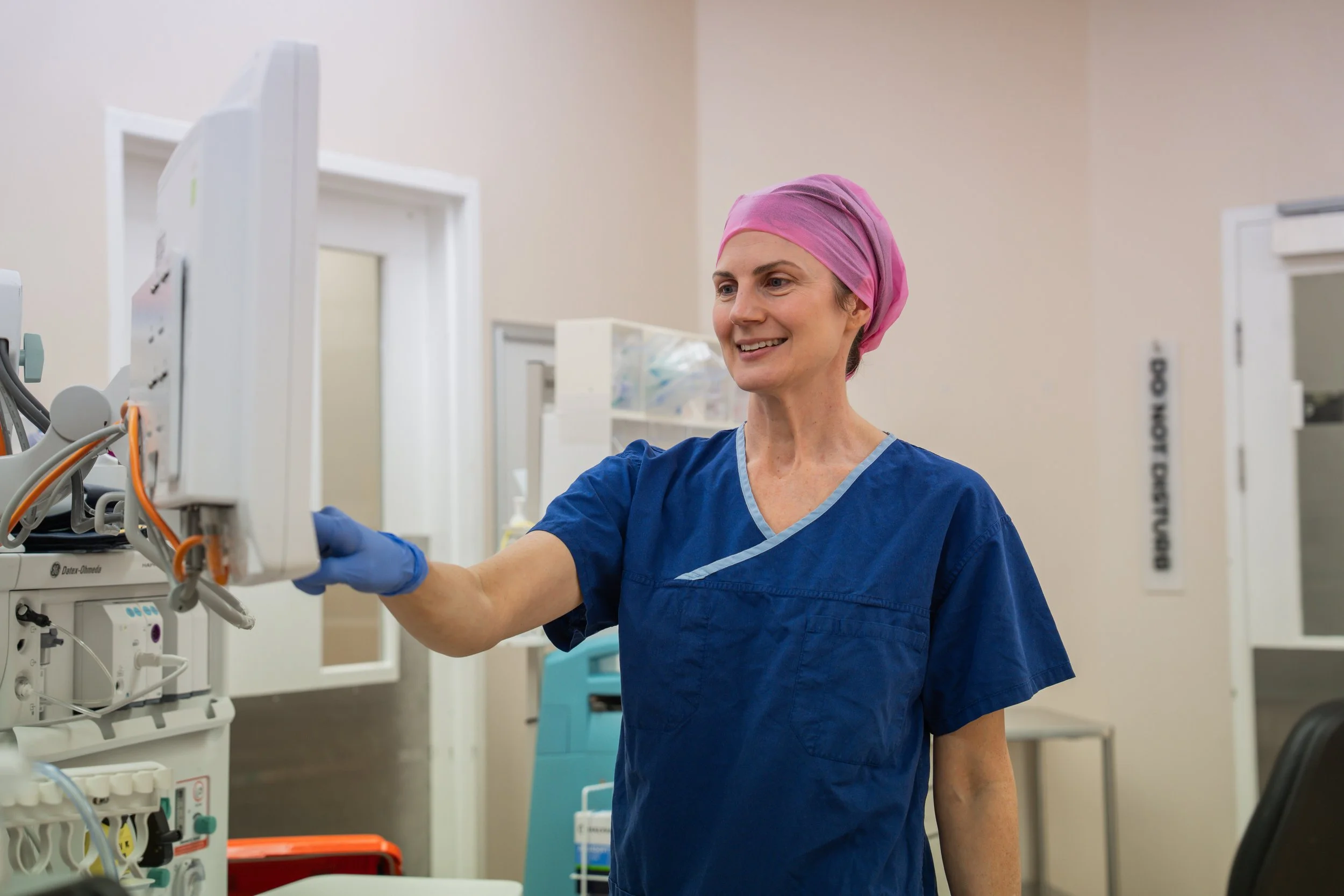
It’s essential for the anaesthetist caring for you to see you prior to your planned procedure to discuss the anaesthetic plan based on your procedure and pre-existing health. Admission is often on the day of surgery, so your anaesthetist may only see you shortly prior to the procedure, where they will discuss types of anaesthesia, pain relief and risks.Important information to tell you anaesthetist:
Previous anaesthesia and any problems
Family problems/complications during anaesthesia
Past medical history including recent changes to your health or illnesses
Acid reflux/heartburn, and any history of Lap Band or other weight loss surgery
A full list of medications
Allergies or abnormal reactions to medications
Dental details (loose teeth, dentures, implants, veneers, bonding, etc.)
Any other concerns
Extra context
Many hospitals have nurse-coordinated pre-admission clinics and health questionnaires that provide extra information to your surgeon and anaesthetist
-
Why fasting matters
Fasting reduces the chance of acidic stomach contents entering your airway when you are anaesthetised/sedated, which can cause severe lung damage. If guidelines aren’t followed, surgery may be cancelled or rescheduled.Guidelines
No solid food for 6 hours prior to surgery
Clear fluids (in moderation) up to 2 hours prior to scheduled surgery
Clear fluids include water, juice (no pulp), cordial, black tea or black coffee (no milk)
Breastfeeding infants less than 12 months can feed up until 2 hours prior to admission (not formula feeds)
Note
As patient arrival times are staggered to avoid excess waiting, the fasting times relate to your scheduled time of admission.
Patients taking GLP-1 medications (Common GLP-1 medications include Ozempic, Mounjaro, Wegovy and Saxenda) for diabetes, heart disease, kidney disease or weight loss will need special fasting instructions.
-
Essential medications
Continue heart, blood pressure, asthma, or antacid medication on the morning/day of surgery (with a sip of water), regardless of fasting. Other non-essential medication may be omitted — if in doubt, contact your doctor or anaesthetist. Insulin/diabetic medication requires personal advice before surgery.Click here for more information.
Blood thinners (important)
Blood-thinning medication must be discussed with your surgeon and/or anaesthetist well prior to surgery. These medications often need to be stopped a few days before your procedure however, sometimes it is safer to continue. If you have not been given instructions from your surgeon, please contact them or your anaesthetist for clarification.Bring with you
Bring a list of your current medications on the day of your procedure. -
How quickly you recover from your surgery and anaesthesia varies from patient to patient. Even if you feel that you have fully recovered, anaesthesia can affect your judgement for the first 24 hours post-operatively.
For the first 24 hours, do not:
Drive
Operate machinery
Cook
Sign legal documents or make important decisions
Drink alcohol
Day surgery requirement
A responsible adult must take you home and stay with you the first night. If this is not posible, please discuss this with your surgeon to arrange overnight admission or alternative arrangements.
General Anaesthesia
-
An anaesthetist is a doctor who has specialised in anaesthesia after medical school, completing at least five years of specialist training and multiple examinations. Their training includes pain management, resuscitation, intensive/critical care, and specialist areas such as obstetrics and paediatrics.
They are responsible for your safety and care during surgery and recovery, stay with you for the duration of the operation, and monitor vital functions like breathing, heart rate and blood pressure. They also provide pain relief so you wake comfortably.
-
This information is provided to inform you, not alarm you — serious mishaps are rare, and more serious consequences arise in those already seriously ill. Anaesthetists’ prime responsibility is minimising and managing side effects and complications.
Common but usually mild
Bruising at needle site
Sore/dry throat and lips
Nausea, vomiting, headache
Discomfort locally at injection sites
Blood from nose after dental anaesthesia
Less common but manageable
Muscle aches/pains
Severe nausea and vomiting
Severe headache
Mild allergic manifestations (itch, rash)
Uncommon but serious (short-term)
Awareness under general anaesthesia
Damage to teeth, throat or vocal cords
Allergic responses/asthma
Nerve damage/pressure areas
Deep vein thrombosis
Aspiration pneumonia
Rare but very serious
Severe allergy/shock/malignant hyperthermia
Stroke or heart attack
Paralysis
Pulmonary embolism
Any of the above can lead to permanently impaired function, coma or death
Note
During their extensive training, anaesthetists develop the skills to diagnose and manage these complications.
This list does not cover every possible event. Ask your anaesthetist if there is greater risk of specific problems for you.
What is Sedation?
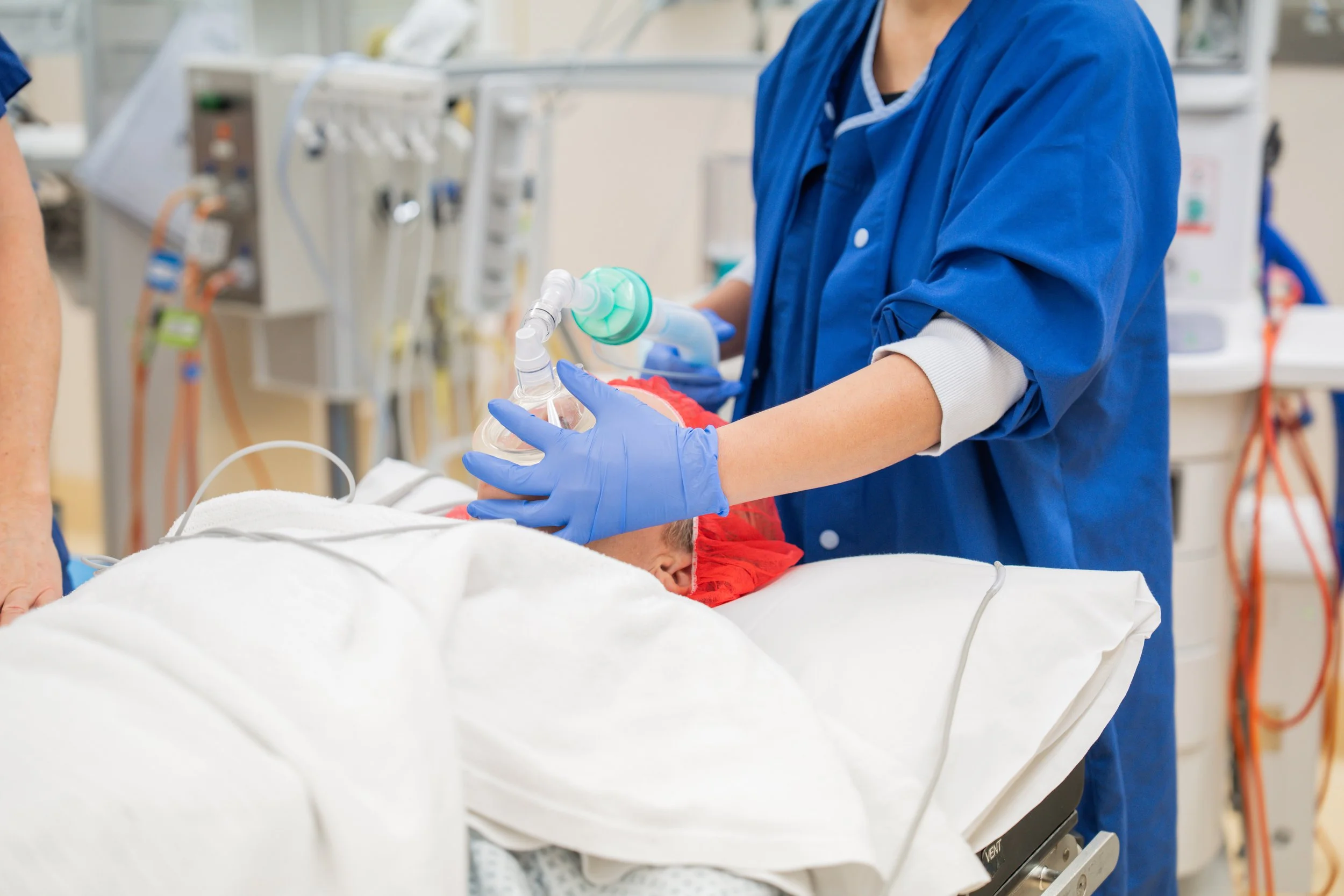
Sedation is a common form of anaesthetic used for procedures like colonoscopies, removal of skin lesions, and cataract surgery. The anaesthetist’s role is to ensure you’re comfortable and have minimal memory of the event. Sometimes you may have some recollection or awareness, but with medication you’ll be comfortable and relaxed. Anaesthetists are experts at medical sedation..
Pain Relief for Surgery
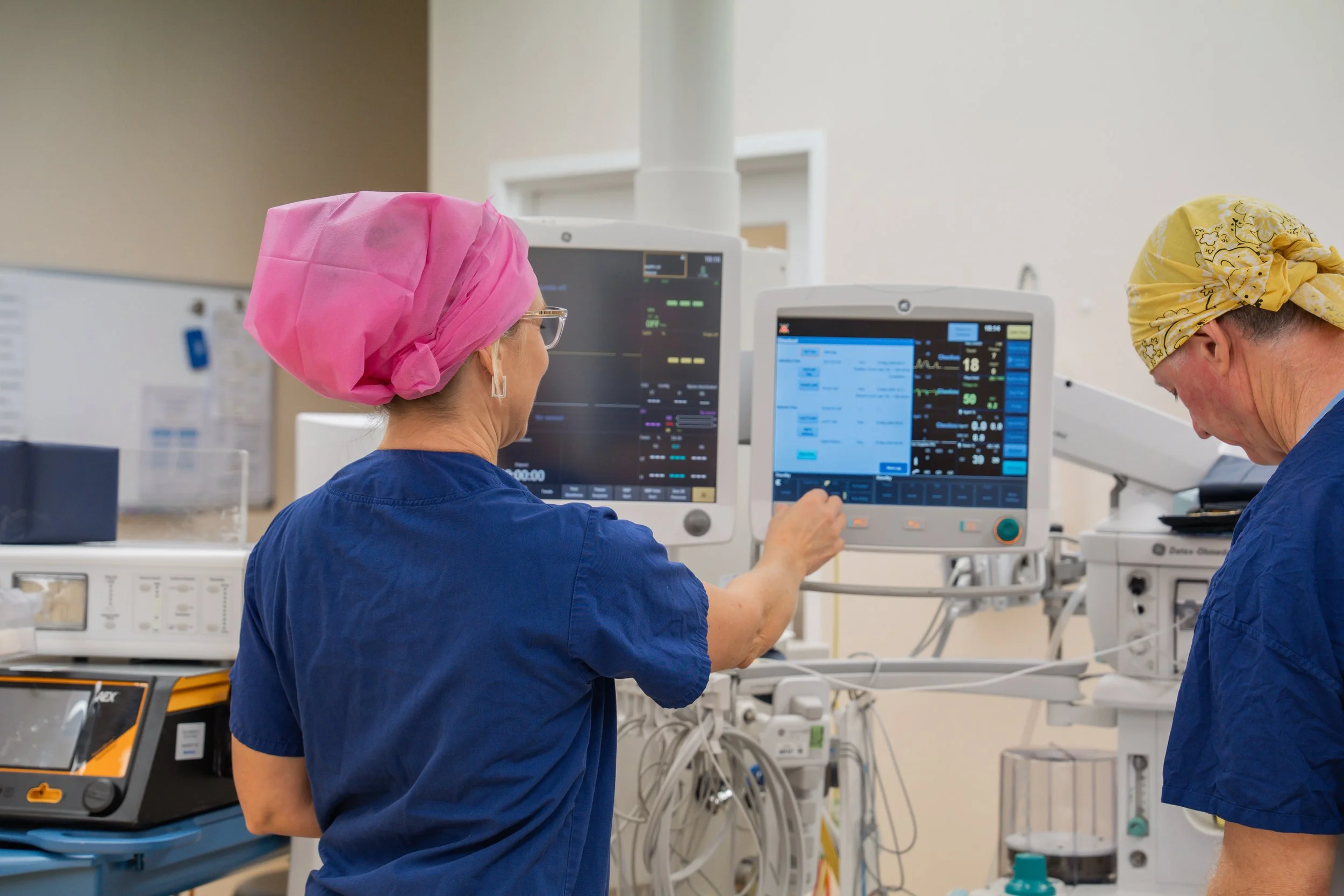
Anaesthetists play a major role in post-operative pain control. Adequate pain relief helps reduce post-operative complications (e.g. blood clots/DVTs, chest infections, heart attacks) and supports deep breathing and early mobilisation for a speedier recovery. Pain relief is tailored to your procedure, health and circumstances.
Pain Relief Options
-
Patients are often prescribed a combination of analgesics such as regular paracetamol, anti-inflammatories and stronger tablets like oxycodone as required.
Possible side effects
Anti-inflammatories: stomach irritation, worsening asthma, worsening kidney problems
Opioids (codeine/oxycodone): drowsiness, itching, constipation, nausea and vomiting
Tramadol: delirium, nausea and vomiting
-
Strong painkillers (morphine, pethidine, fentanyl, etc.) are effective but can cause nausea, confusion, drowsiness, altered breathing, itching and constipation, requiring close monitoring. These medications can be administered by the hospital staff but may also be prescribed as a PCA (patient controlled analgesia). This allows patients to administer small doses of these medications through a computerised device with inbuilt safety features such as a lock-out to prevent overdose.
-
A spinal is a single injection into the space containing spinal fluid to numb nerves for approximately 2–3 hours.
An epidural uses a fine catheter into the epidural space to bathe nerves with medication for excellent pain relief. Side effects include low blood pressure, leg weakness, severe headache (approximately 1 in 200), and nerve damage (temporary - approximately 1 in 1,000, permanent - approximately 1 in 10,000; paralysis - extremely rare).
-
Nerve blocks involve the placement of local anaesthetic near major nerves, often under ultrasound guidance.
This can provide excellent pain relief but is associated with temporary numbness and weakness (for up to 24 hours)
Risks include nerve damage, infection, bruising and blood clot formation.

Pregnancy & Childbirth
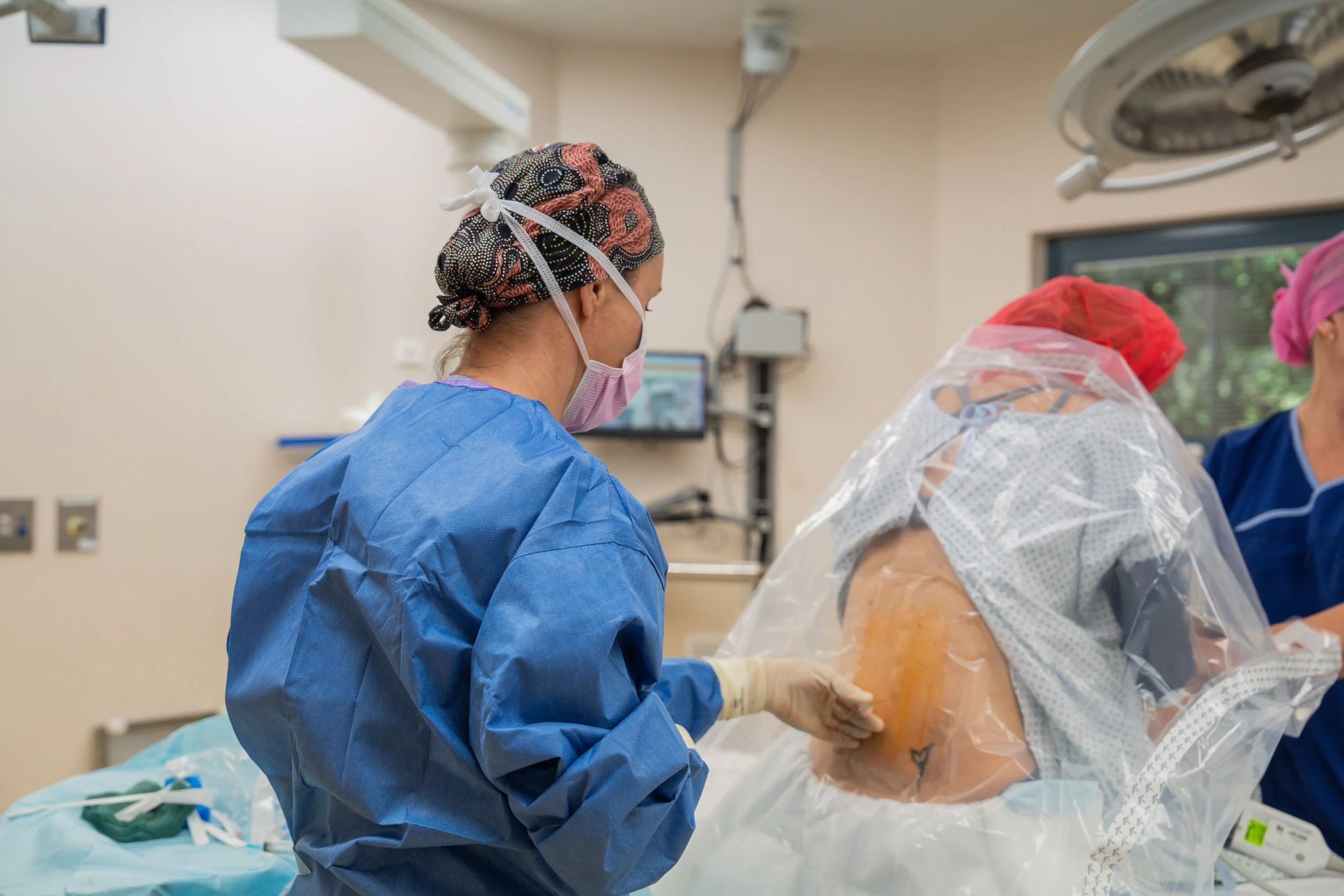
Labour pain relief options vary and being flexible helps. Caesarean sections can be planned or emergency; anaesthetists are involved primarily with epidural pain relief and anaesthesia for caesarean section.
-
Complementary methods
Calm breathing, massage, water labour (bath/pool), aromatherapy, acupuncture, calming music.Entonox
Nitrous oxide + oxygen via mouthpiece during contractions; works quickly and wears off quickly; may cause dizziness/nausea briefly; won’t remove pain completely but often helps and won’t harm baby.Opioids
Strong pain medication like Pethedine and Morphine may be administered by injection intramuscularly or intravenously.Possible side effects include drowsiness, nausea/vomiting, delayed stomach emptying, slowed breathing requiring oxygen. These medications can cause drowsiness, feeding complications and respiratory depression in your baby.
Epidurals and spinals
This is the most effective method of pain relief for labour, and can be used for difficult delievereis and caesarean sections. This method of analgesia has minimal effects on your baby. -
Epidurals provide excellent pain relief, and may be recommended when forceps/caesarean is likely, contractions aren’t coordinated, to relax mother and help labour progress, to lower high blood pressure, for premature babies/twins/breech, or for mothers with heart/lung/other medical issues. Timing is assessed individually.
Certain conditions may make epidural unsuitable (examples include spina bifida, clotting abnormalities, severe pre-eclampsia, previous back surgery). Early referral to your anaesthetist can allow for a detailed plan for analgesia and anaesthesia if epidurals are not an option.
-
Your obstetrician will call for an anesthetist to assist with an epidural. Initially, the anaesthetist will have a brief discussion to assess your suitability for an epidural and outline possible risks and side effects.
An intravenous cannula will be placed and fluid commenced. You will be assisted into a good position for placement of the epidural, which is commonly sitting up or lying on your side.
Local anesthetic is used to numb the skin before an epidural assists the placement of a thin flexible catheter to deliver the pain relief medication.
The effects do take 15 - 20 minutes to commence, and during that time you will be closely monitored by your anaesthetist and midwife.
Epidurals have minimal effect on your baby and breastfeeding is still possible.
-
Elective caesareans are often performed under spinal anesthetic, epidurals, or a combined spinal and epidural. These types of anaethetic numb from the upper chest down and are generally safer for mother and baby. These regional anaethetis also allow for the presence of your partner or support person.
Emergency caesareans may use epidural top-up or spinal. General anaesthetic is rarely indicated, but may be required in higher-risk pregnancies or when spinals/epidurals can’t be used.
-
Epidurals and spinals have an excellent safety record when provided by a specialist anaesthetist. the vast majority of epidurals are very effective and free of complications however, the following can occur:
Possible short-term complications
Pain on insertion
Local anaesthetic into bloodstream (fits / loss of consciousness / cardiac arrest)
Local anaesthetic into spinal fluid (large block, need immediate general anaesthetic)
Decrease in blood pressure
Headache (may require bed rest or special epidural)
Allergic reactions (minor/major)
Possible long-term complications
Chronic back pain
Chronic headache
Blood clots around spinal cord (may require surgery, may cause paraplegia)
Infection around spinal cord (may require surgery, may cause paraplegia)
Nerve damage (weakness, numbness, tingling)
Damage to blood supply to spinal cord (possible paraplegia)
-
If you require an epidural, you will receive an account from the anaesthetist (separate from hospital fees).
AMA suggested fees are up to $1,272 (in-hours) and $2,014 (after-hours).
Most anaesthetists charge substantially less, but fees vary.
You are responsible for settling your account in a timely manner; refer to your health fund for rebates, and generally send paperwork to the health fund (not Medicare) to receive the highest refund.
Children & anaesthesia
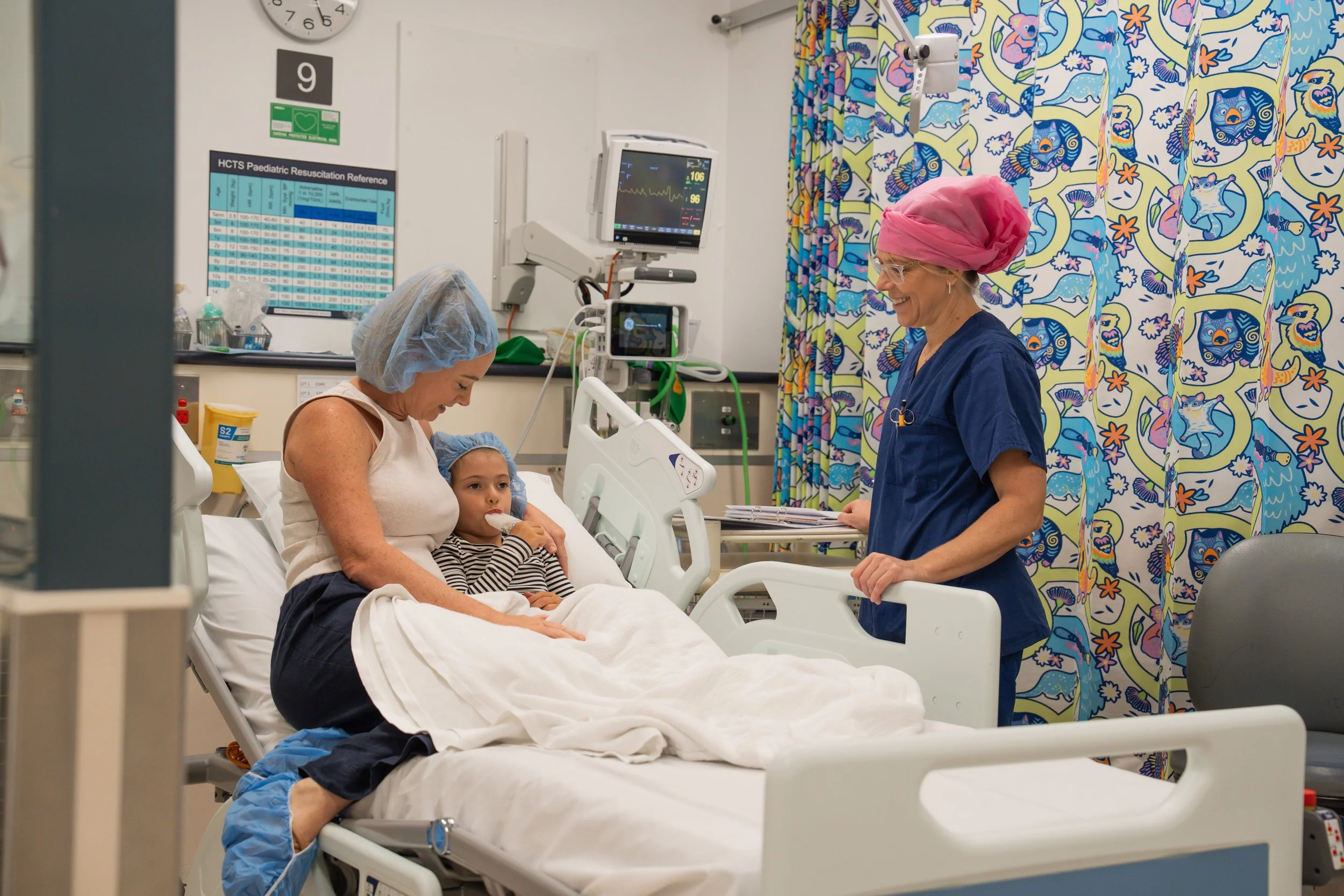
If your child needs an anaesthetic, it can be an anxious time. We aim is to minimise stress and help answer common questions. If you have urgent questions, you can contact the rooms during office hours to arrange a discussion with your anaesthetist.
-
Anaesthetists are trained doctors specialising in the care of your child during surgery. They stay for the entire operation, monitor breathing/heart rate/oxygen levels, and ensure pain relief is adequate in recovery.
-
Anaesthetists monitor breathing, heart rate, blood pressure and oxygen; unexpected events, severe complications and side effects are rare especially in well children without serious medical problems.
Common side effects include nausea and vomiting, pain, delirium (can resemble night terrors), sore throat from the airway/breathing tube, bruising at IV or injection sites, breathing problems (which have an increased incidence in children with a history or chronic respiratory disease, sleep aponea and recent upper respiratory tract infections), and rare allergic reactions.
Your anaesthetist is trained to diagnose and manage these complications.
-
Your anaesthetist will outline a plan on the day of your childs procedure. A pre-medication may be used to reduce anxiety prior to arriving in theater. Anaesthesia may start by placing an IV cannula, often after numbing cream has been used. Alternativley, it may start with a gas induction which involves using nitrous oxide (laughing gas) and anaesthetic via a face mask. Typically one parent can accompany child into theatre for the start, and parents may be present in recovery as the child wakes.
-
Pain relief is tailored to the child and the procedure they are having. Pain relief is given during anaesthetic, and additional medication can be administered quickly and safely if they are uncomfortable in recovery. After surgery, pain relief may be via injection, if they are staying in hospital or via tablets, syrups or suppositories if they are going home.
-
Fasting ensures an empty stomach to reduce aspiration risk. Fast from all food (including lollies/chewing gum) and milk drinks for 6 hours; clear fluids (water, clear juices without pulp) can be continued up to 2 hours prior to their procedure. Regular prescribed medication should still be given with a little water.
-
Preparing your child is vital; well-prepared children tolerate surgery/anaesthesia better. Be honest with simple explanations; reassure them they’ll be cared for by friendly staff; prepare them for unfamiliar surroundings and possible discomfort; let them know you’ll be with them at key times (going to sleep and waking). Parent composure helps the experience go smoother.
Need More Information?
Explore our range of downloadable resources for you to take with you whereever you go.